
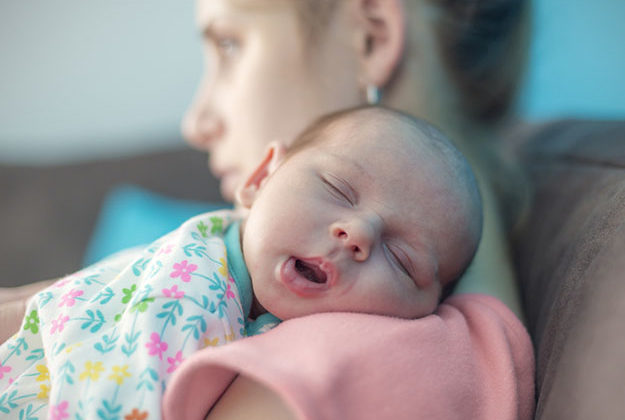
In spite of it affecting 20% of new mothers, it’s an issue we rarely discuss as a society. Why?
Regardless of whether or not you’ve been pregnant, postpartum depression is a serious issue that affects women all over the world. Postpartum depression transcends income level, age, race, or ethnicity. If you or someone you know is suffering from PPD, we’re going to go over what you can do to fight through it.
During pregnancy and right after giving birth, hormones are going absolutely nuts. And we’re not talking “PMS nuts,” we’re talking “now you’re pregnant, now you’re not” nuts. Pregnancy and childbirth are the most drastic transitions your hormones have to make. Even more so than puberty and menopause. During a postpartum depression, the emotional and mental stress become overbearing, so much so that most new mothers become physically, emotionally and mentally incapable of taking care of their baby and themselves.
Mothers experiencing postpartum depression are more often than not ashamed to speak of their experience, even when they have nothing to be ashamed of. The lack of public discussion regarding this issue has made it almost impossible for mothers to speak openly and honestly about it. As a mother, there is the expectation that your baby is your first priority, even over yourself. But how can one expect a mother to take care of her child when she can’t even get up in the morning, let alone eat? If you’re experiencing these symptoms or know someone who is, I hope this article sheds more light on ways to overcome PPD.
What You Need To Know About PPD
So, before we get into symptoms and ways to cope with PPD, let’s start with some stats. According to the Centers for Disease Control and Prevention:
- 11%-20% of new mothers suffer postpartum depression symptoms every year
- Approximately 600,000 women in the U.S. alone suffer from postpartum depression
- The 11%-20% estimate doesn’t count mothers who miscarry or lose their babies due to still birth. If we are taking these numbers into account, the estimate shoots up to 900,000 women with PPD
- Even this new estimate only takes into account women who self-reported their depression; this doesn’t count those who kept their symptoms to themselves
- In very poor areas, the rate of women who suffer from postpartum depression is at 25%
- Only 15% of these women get treatment. Reasons can be lack of screening of postpartum depression in patients and the stigma surrounding postpartum depression.
- If there are 900,000 women who are depressed, that can also mean that’s almost the same number of children that cannot be cared for by their own mothers. Thus, hundreds of thousands of babies are in danger every day a mother doesn’t get treatment.
- Postpartum depression affects a child’s mental development and may later result in the development of mental illness.
These numbers and figures are so alarming, they should serve as a wake up call. Postpartum depression is VERY common and not just the “baby blues.” I’ve heard personal anecdotes where depressed mothers almost unintentionally killed their babies due to lack of treatment. Now imagine a world where new mothers suffering from PPD felt supported enough to openly speak about their experience, could seek treatment without fear of judgement, and felt part of a community dedicated to helping them cope? While this may not be a reality right now, it can be if we start discussing postpartum depression and change the rhetoric from one of shame to one of acceptance.
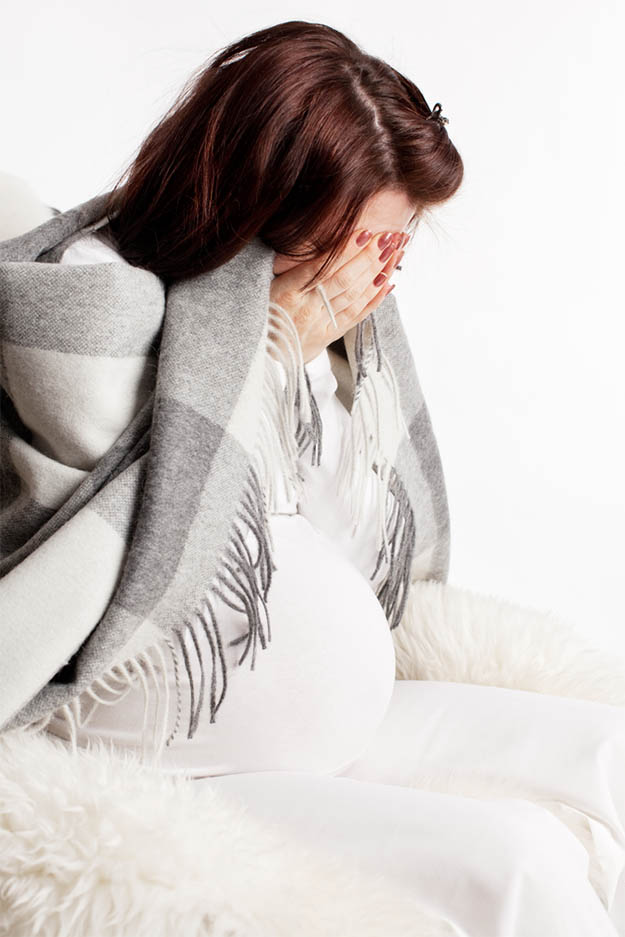
Symptoms To Watch Out For
Mothers who have postpartum depression can exhibit these symptoms (from the National Institute of Mental Health):
- Overly worried and anxious
- Always moody, restless and irritable
- Feeling of misery, sadness, emptiness and hopelessness
- Cries for no reason
- Oversleeps when the baby is awake; Awake when the baby sleeps
- Lack of focus, concentration, memory and ability to make decisions
- Intense anger and rage
- Overeating or not eating enough
- Self-isolation from friends, family and fun activities
- Little to no emotional attachment with baby; cannot bond with the baby
- Doubts her ability to care for the baby
- Experiences physical pain like muscle pain, headaches, tummy aches
- Thinking of doing self-harm or harming the baby
While motherhood is often portrayed as a magical moment of mother-baby bonding, it can be the complete opposite for mothers suffering with PPD. For a mother with PPD, it can be difficult to hold the baby, look at it, let alone care for it. A mother suffering with postpartum depression can feel overwhelmed and, in extreme cases, regretful for her decision to have a child.
So, if you know someone who is portraying these symptoms, reach out and give a helping hand. You may just save two lives.
Celebrities Who Have Had Postpartum Depression
I’ve always admired celebrities who are outspoken regarding personal health issues as it reminds us that they really are no different than us (in a not-so-cheesy way). I admire their courage because, given their celebrity status, they know that many will listen, potentially judged, but hopefully be inspired to take action into their own hands. Celebrities, whether we like them or not, have the power to influence the masses, so it makes me happy to know that mommy celebs use their power for good, rather than evil.
Below are some words of wisdom from celebrity moms who have gone through and beaten postpartum depression. If you’re suffering from it right now, know that you are not alone. If you have a friend or family who is suffering from postpartum depression, draw strength to help from these inspiring words.
“And now I want to be honest about it because I think there’s still so much shame when you have mixed feelings about being a mom instead of feeling this sort of ‘bliss.’ I think a lot of people still really struggle with that, but it’s hard to find other people who are willing to talk about it.”- Amanda Peet
“After giving birth, I never brushed my hair, my teeth, or took a shower. I looked in the mirror one day and was really depressed. I thought, ‘Look at me!’ I had this glamorous life in LA, and now [in Indianapolis] I didn’t. A couple of times, I even said, ‘I just have nothing to live for.’ – Kendra Wilkinson
“It is strange for me to recall what I was like at that time. I seemed to be suffering emotional amnesia. I couldn’t genuinely cry, or laugh, or be moved by anything. For the sake of those around me, including my son, I pretended, but when I began showering again in the second week, I let loose in the privacy of the bathroom, water flowing over me as I heaved uncontrollable sobs. Worst of all, I definitely felt I was a rotten mother — not a bad one, a rotten one. Because the truth was, every time I looked at my son, I wanted to disappear.”- Bryce Dallas Howard
“It’s something a lot of women experience. When you’re told about postpartum depression you think it’s ‘I feel negative feelings towards my child, I want to injure or hurt my child’ — I’ve never, ever had those feelings. Some women do. But you don’t realize how broad of a spectrum you can really experience that on. It’s something that needs to be talked about. Women need to know that they’re not alone, and that it does heal.”- Hayden Panettiere
“The degree and intensity of my post-natal depression shocked me. I am predisposed to depression, but what surprised me this time was the physical pain. I hadn’t realized the depths to which you can ache — limbs, back, torso, head, everything hurt — and it went on for 15 months. I felt as if I was covered in tar and everything took 50 times more effort than normal.”- Alanis Morissette
If someone is suffering from PPD, no time should be wasted in seeking professional treatment. If you’re looking for alternative methods of treatment, the most recommended clinically-proven treatments are:
- Sam-E, a naturally occurring molecule that has been used to treat depression.
- Omega-3, which can replace the maternal fatty acids lost during child birth.
- Bright light therapy, which is used for treat SAD and has been shown to significantly reduce the symptoms of depression in new mothers.
- Acupuncture, which demonstrated a 63% response rate in mothers suffering from severe depression.
- Exercise, which can release endorphins that boost one’s mood.
While these alternative treatments can alleviate the symptoms, it’s always best to seek the help of a professional. Postpartum depression is a common illness that should be acknowledged, not swept under the rug.
I hope as women, we can recognize how much of a problem postpartum depression is. And more than this, we realize that together, we can rise above this debilitating condition. Because as mothers, our children and we deserve to be happy and healthy.

Leave a Reply