

• Cute Accessories
    • Cute Belts
    • Cute Bracelets
    • Cute Earrings
    • Cute Hair Accessories
    • Cute Handbags
    • Cute Lipstick
    • Cute Nail Polish
    • Cute Necklaces
    • Cute Scarves
    • Cute Watches
  • Cute Outfits By Color
    • Cute Black Outfits
    • Cute Blue Outfits
    • Cute Green Outfits
    • Cute Grey Outfits
    • Cute Orange Outfits
    • Cute Pink Outfits
    • Cute Purple Outfits
    • Cute Red Outfits
    • Cute White Outfits
    • Cute Yellow Outfits
  • Cute Shoes
    • Cute Booties
    • Cute Boots
    • Cute Flats
    • Cute High Heels
    • Cute Platforms
    • Cute Sandals
    • Cute Sneakers
  • Cute Fun Outfits
    • Cute 70’s Outfits
    • Cute 80’s Outfits
    • Cute 90’s Outfits
    • Cute Beach Outfits
    • Cute Cowgirl Outfits
    • Cute Nightclub Outfits
    • Cute Sexy Outfits
    • Cute Sports Outfits
  • Cute Occasional Outfits
    • Cute Birthday Outfits
    • Cute Christmas Outfits
    • Cute Easter Outfits
    • Cute New Years Outfits
    • Cute Thanksgiving Outfits
    • Cute Valentines Day Outfits
Cute Outfits
  • Belts
  • Bracelets
  • Earrings
  • Hair Accessories
  • Handbags
  • Lipstick
  • Nail Polish
  • Necklaces
  • Rings
  • Scarves
  • Watches
You are here: Home / Health / Type 3 Diabetes: The Alzheimer’s-glucose connection

Type 3 Diabetes: The Alzheimer’s-glucose connection

March 14, 2018 By Perry Belcher Leave a Comment

Alzheimer’s disease is common and mysterious, well-documented and hidden. Though it affects an estimated 5.4 million Americans today (5.3 million are 65 or older), by 2050 almost 14 million people in the U.S. and 1.4 million in Canada are expected to have this condition.

Type 3 Diabetes: The Alzheimer’s-glucose connection

Although there are medications available, none slows the progress of the disease and none has come close to a cure. In fact, several major drug trials aimed at tackling the disease have shut down prematurely because of colossal failure of the proposed medication. But there is hope due to new clues about diet.

Check out Type 3 Diabetes: The Alzheimer's-glucose connection at https://cuteoutfits.com/type-3-diabetes/

Research published in JAMA Neurology seems to best explain what goes on in the brain when Alzheimer’s develops: In that study the two known “bad actors” associated with loss of cognitive function are amyloid? plaques and tau tangles. We don’t know that they’re the direct cause of the loss of brain functioning, but one hypothesis holds that the formation of plaques may trigger conversion of tau into a toxic version of itself; the toxic tau then makes the plaques even worse, and those two scramble transmissions of info and disrupt memory, emotions and more. Another hypothesis holds that it is inflammation, often worsened by excess sugar.

Check out Type 3 Diabetes: The Alzheimer's-glucose connection at https://cuteoutfits.com/type-3-diabetes/
Image via Flickr

But how does this all get started? That’s the trillion-dollar question! (The yearly cost of payments for health care, long-term and hospice care for people with Alzheimer’s are projected to hit over $1.1 trillion in 2050.)
Introducing Type 3 Diabetes

New research indicates that inflammation is worsened by dysfunction of glucose metabolism in the brain. That’s what’s behind the newly coined phrase, “Alzheimer’s as Type 3 Diabetes.” Here’s the current research on glucose levels and your brain:

1. Increases in blood glucose levels are related to higher brain glucose levels, especially in your last decades of life.

2. Higher brain levels of glucose — overwhelming levels — are a precursor to changes in neurological functions. Those changes happen before symptoms of Alzheimer’s appear and seem to be associated with formation of plaques and dysregulation of tau.

3. A study in a recent issue of the journal Neurology reports that researchers tested over 1,600 folks for five biomarkers of inflammation (fibrinogen, albumin, white blood cell count, von Willebrand factor and Factor VIII) when they were around 55 years old. Then, 24 years later, researchers gave those same participants a brain scan and memory test. Folks who had previously elevated levels of three or more biomarkers ended up with an average of 5 percent lower volume of their hippocampus and other areas of the brain associated with Alzheimer’s disease. They also had lower scores on the memory test.

Check out Type 3 Diabetes: The Alzheimer's-glucose connection at https://cuteoutfits.com/type-3-diabetes/

4. And then there’s the obstructive sleep apnea connection. A new study shows that older folks with OSA are at increased risk for Alzheimer’s. Turns out, OSA is associated with glucose intolerance and insulin resistance, whether or not a person is obese. And glucose intolerance and insulin resistance cause elevated glucose levels in the blood and eventually in the brain. That then leads to neuron function disruption and formation of plaques and toxic tau protein — Type 3 diabetes!

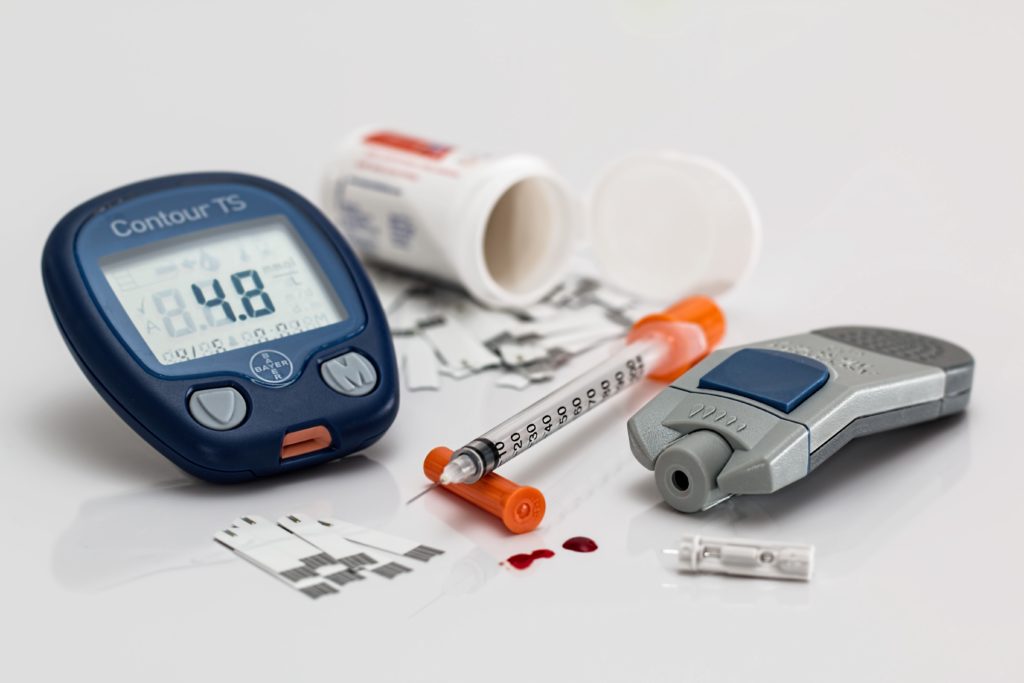
What this means for YOU if you are one of the 100 million Americans with prediabetes or diabetes: Act now to reduce bodily inflammation and restore healthy blood sugar levels.
Check out Type 3 Diabetes: The Alzheimer's-glucose connection at https://cuteoutfits.com/type-3-diabetes/
–Walk 10,000 steps a day and do strength training two to three days a week.
–Eat seven to nine servings of fruits and veggies a day.
–Avoid added sugars, syrups and simple carbs; they are brain cell killers.
–Control your stress response with meditation and seven to eight hours of good-quality sleep every night.
–If you have OSA, get treated!
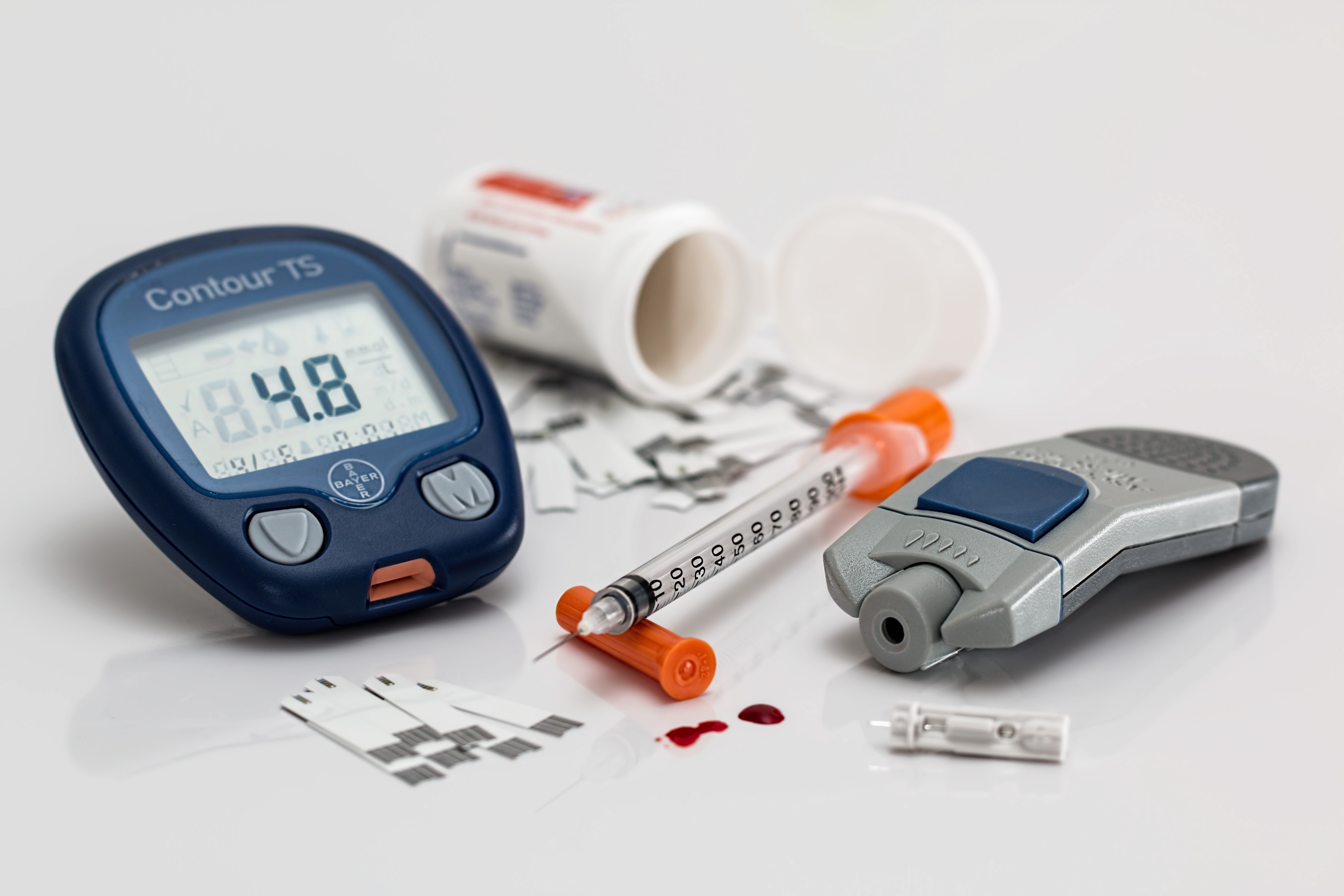
–If you need medication to control your blood glucose, get it, use it and see your doctor regularly to make sure you’re on track.
Your brain will thank you decades from now, when you’re still thinking clearly!

* * *
Mehmet Oz, M.D. is host of “The Dr. Oz Show,” and Mike Roizen, M.D. is Chief Wellness Officer and Chair of Wellness Institute at Cleveland Clinic. To live your healthiest, tune into “The Dr. Oz Show” or visit www.sharecare.com.

(c) 2017 Michael Roizen, M.D. and Mehmet Oz, M.D.
Distributed by King Features Syndicate, Inc.

https://youresopretty.com/finally-found-cure-colon-cancer/



Filed Under: Health, Health + Fitness Tagged With: diabetes, featured, glucose, health, healthy, healthy life, type 3 diabetes

Leave a Reply Cancel reply

Your email address will not be published. Required fields are marked *

Subscribe To Our Newsletter

SUBSCRIBE TO CUTE OUTFITS
  • Facebook
  • Instagram
  • Pinterest
  • Tumblr
  • Twitter
  • YouTube

New Articles

Weekend Getaway Outfits: Chic Ensembles for Poolside, Picnic, and More

Date Night Outfits: Easy Combos for Every Kind of Plan

College Outfit Ideas: One‑And‑Done Looks for Back‑To‑Back Lectures

Parisian Chic: Your Guide to Dressing Like a Frenchwoman

Popular Articles

15 Harley Quinn-Inspired Outfits You Can Wear Every Day

How to Wear Mid Calf Boots Like a Model-Off-Duty | Cute Outfits

10 Ways to Wear a Choker Necklace

11 Ways To Look Hot In A Bikini This Summer

Sister Sites We Love

  • You’re So Pretty
  • Makeup Tutorials
  • Nail Designs
  • DIY Projects
  • Sewing.com
  • About Us
  • Contact Us
  • Contribute
  • Advertise With Us
  • Privacy Policy
  • Terms and Conditions
Cute Outfits
Email Support: support@cuteoutfits.com

Product returns go to:
1889 E Maule Ave, Ste G
Las Vegas 89119

Copyright © 2026 · Cute Outfits


This copyrighted material may not be republished without express permission. The information presented here is for general educational purposes only.

MATERIAL CONNECTION DISCLOSURE: You should assume that this website has an affiliate relationship and/or another material connection to the persons or businesses mentioned in or linked to from this page and may receive commissions from purchases you make on subsequent web sites. You should not rely solely on information contained in this email to evaluate the product or service being endorsed. Always exercise due diligence before purchasing any product or service. This website contains advertisements.

We use cookies to personalize content and ads, to provide social media features and to analyze our traffic. You consent to our cookies if you continue to use our website.

Privacy settings

Privacy Settings

This site uses functional cookies and external scripts to improve your experience. Which cookies and scripts are used and how they impact your visit is specified on the left. You may change your settings at any time. Your choices will not impact your visit.

NOTE: These settings will only apply to the browser and device you are currently using.

This website uses cookies

We use cookies to personalize content and ads, to provide social media features and to analyze our traffic. You consent to our cookies if you continue to use our website.

Powered by Cookie Information